That risk is negligible. Generally one must be injected with blood before any infectious agent could have a hope of infecting them. Perhaps Ebola is an exception, but that isn’t much of an issue on the West Coast of NZ!
Fortunately we have a long history of messing about with blood in all sorts of settings. And a drone at relatively low altitude is no big deal.
Blood containers / tubes are usually under a vacuum, which remains to some degree depending on how full they are. The pressures involved are an order of magnitude greater than that involved with the altitude change.
It would also be trivial to put them in a container which maintains atmospheric pressure, within the drone.
Pressure on blood specimens is something i’m familiar with, when i worked in a NHS lab in the UK. The pneumatic tube delivery system was always a concern, but you are right in this situation, i cant see it being problematic.
Drone use would definitely be an advantage for the climate aspect too, less CO2 being produced.
Hi @justin Robyn Kamira explored the use of drones in healthcare as you outlined and the CAA rules made it too difficult as @SamuelWong has pointed out. But good to have a chat with Robyn.
The main issue I would see with delivery of drone medication is people shooting them down to try steal the medication. Even if it wasn’t controlled drugs, people would try steal them believe me!!
Will be interesting to watch for that. Perhaps that’s why the Stuff article headlined the human waste being transported. I’m guessing no one will want to shoot down those samples!
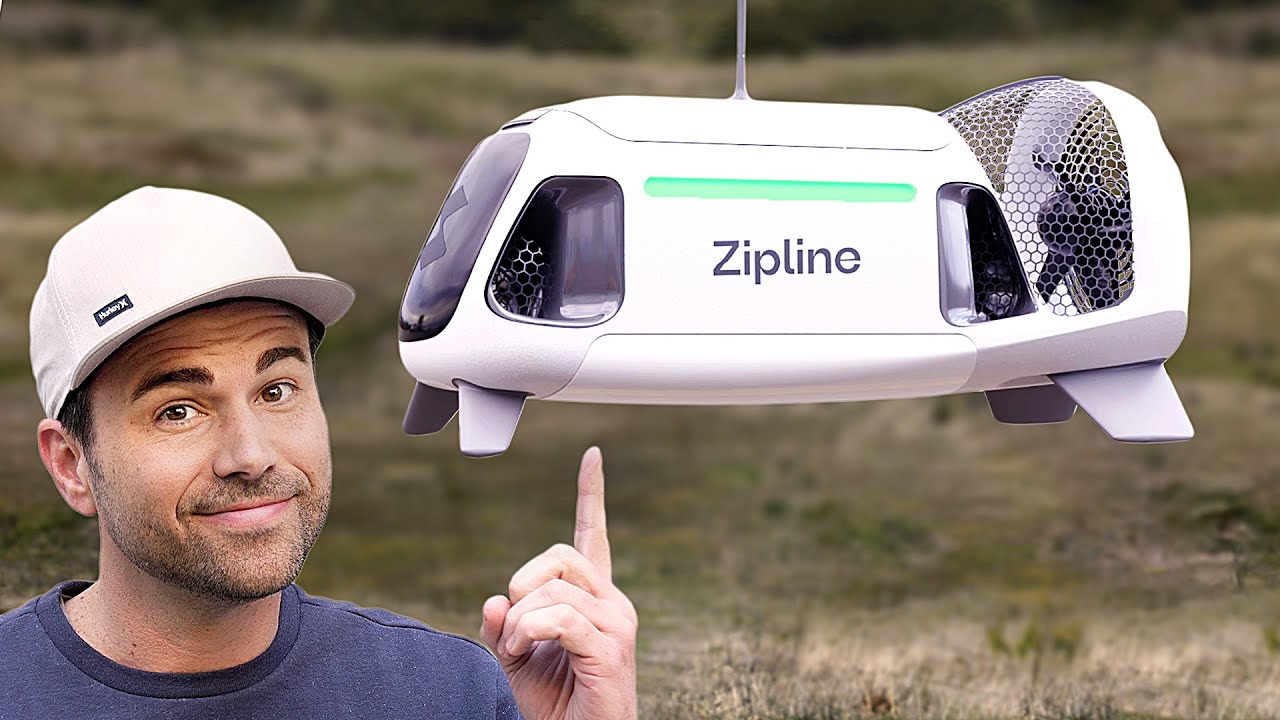
Hi @chris.paton - the video you have shared is very eye-opening. I knew little about this area - but when you see what they are doing in Rwanda it makes you reconsider what is possible. I would encourage anyone interested in this area to watch this video - from 2min onwards when they show Zipline working - starting with a slingshot. Wow.
So we may get some areas that CAA might permit alongside corridors. At least joint MBIE programme is in good hands with for the Airspace Integration Trials Programme with Steve Smyth as Director of Emerging Technologies programme running the show. It’s aligned to the UK CAA Innovation Hub model so if anyone knows how UK’s done it for NHS projects, it’s likely to be similar.
Good to see you all keeping an eye on this opportunity! The use case I had in mind for us at Te Toka Tumai was a cancer drug, that needs to be used with 90 minutes of making (we’re now making our drugs offsite). I see the NHS is using drone delivery for some cancer drugs. I expect Auckland is possible the worst place to go next for Drones! I’d really like to hear from Westcoast in a couple of months, see how they’re getting on. @eduddy should we tee up a catch up for late July maybe?
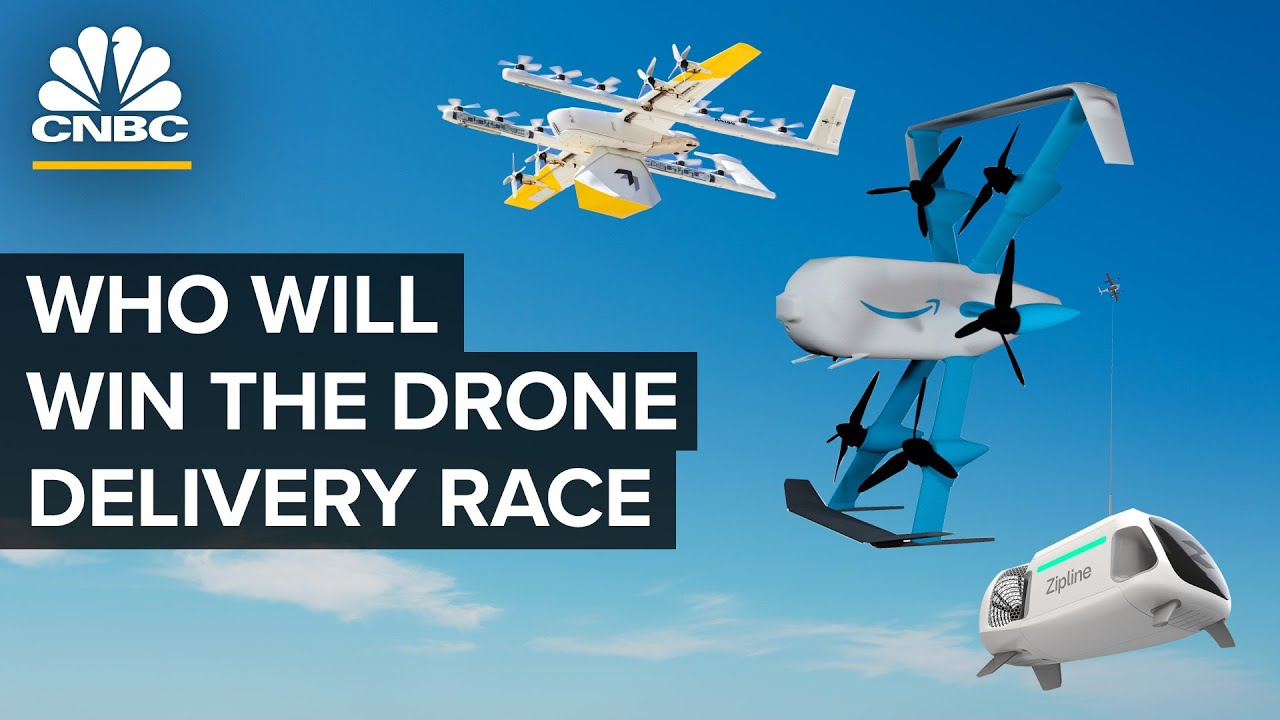
I watched a documentary on Zipline the other day and was wondering if this would make sense to use in NZ. I think there could be a good use case for this, however I would be concerned with the limited spaces around major towns to drop items, remote rural environments are different as they have much more available land. Urban areas where houses are now built with less than a meter space around the dwelling would require a drone to be extremely nimble, low and accurate. However, I would presume there are bigger problems around constantly changing weather conditions and extreme high winds that we sometimes face. Personally I think it is close between operators like Swoop Aero and Zipline that may be able to provide some guidance in finding a solution to the requirement in NZ to fast track this if it is viable.
agree zip line and swoop would seem to suit the NZ geography better from watching the video. The rural communities would benefit the most. I cannot see it gaining any real foothold in major metropolitan areas due to risk, air traffic or privacy concerns.